Neuroscience & Nutrition Research
Harvard Researchers Reveal: This Simple Nutrient May Be The Key To Sharper Memory After 50
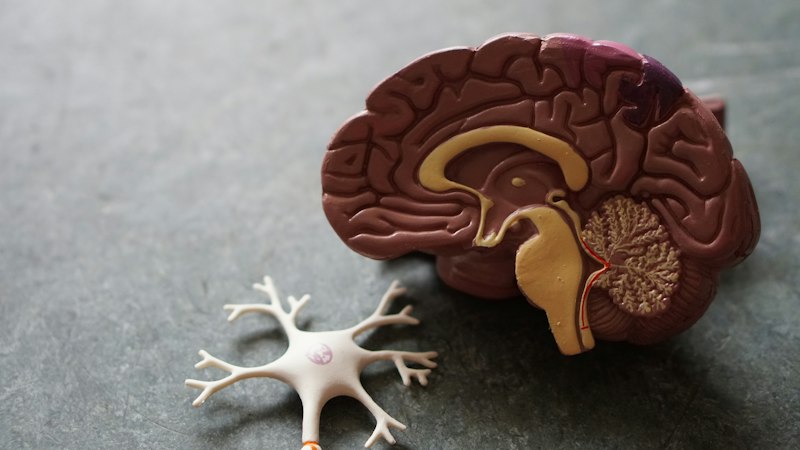
Leading neuroscientists at Harvard and Stanford have identified specific nutrients that play a critical role in maintaining memory and cognitive sharpness, especially after age 50. This guide explores the science behind these findings.
Key takeaways from this research
- Omega-3 fatty acids and brain cell structureDHA and EPA are essential building blocks for neuronal membranes and synaptic function.
- Antioxidants and neuroprotectionPolyphenols from berries and nuts help reduce oxidative damage to brain cells.
- The gut-brain connectionEmerging research shows that gut health directly influences cognitive function and mood regulation.
The Nutrient Your Brain Craves Most
Research published in the Journal of Neuroscience highlights that the brain requires a constant supply of specific nutrients to maintain optimal function. Among these, omega-3 fatty acids stand out as particularly important for memory formation.
Studies show that individuals with higher omega-3 levels tend to have larger hippocampal volumes — the brain region most associated with memory and learning.
Top Nutrients for Cognitive Health
DHA-Rich Fish
Wild salmon, sardines, and anchovies provide the highest concentrations of brain-essential DHA.
NIH research confirms DHA's role in maintaining neuronal membrane integrity.
Flavonoid-Rich Berries
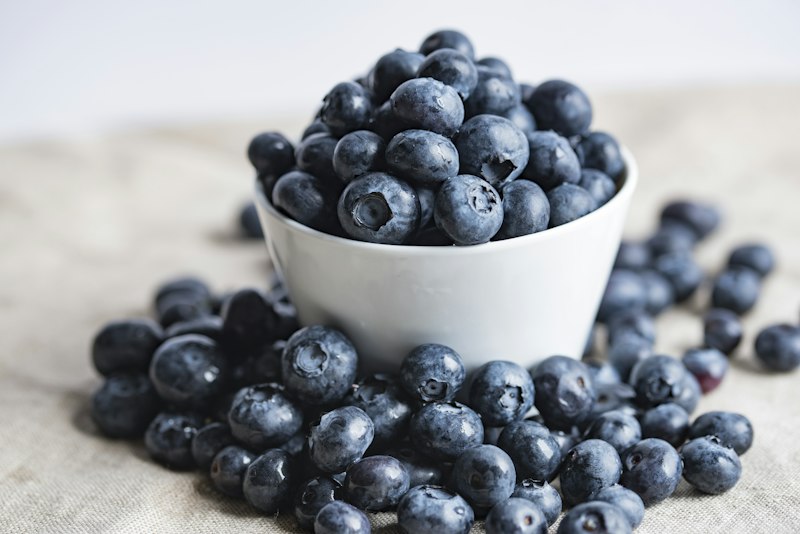
Blueberries, blackberries, and acai contain powerful flavonoids that cross the blood-brain barrier.
Harvard studies link regular berry consumption to delayed cognitive aging by up to 2.5 years.
Curcumin (Turmeric)
The active compound in turmeric has been shown to cross the blood-brain barrier and has anti-inflammatory properties.
UCLA research associates curcumin with improved memory performance in adults.
Dark Leafy Greens
Kale, spinach, and collard greens are packed with folate, lutein, and beta-carotene.
Rush University studies show one serving daily may slow brain aging by 11 years.
Lifestyle Factors That Enhance Brain Nutrients
- Regular aerobic exercise increases BDNF (brain-derived neurotrophic factor)
- Quality sleep allows the brain to consolidate memories and clear toxins
- Social engagement stimulates neural pathways and cognitive reserve
- Continuous learning creates new neural connections throughout life
The combination of proper nutrition and an active lifestyle creates a synergistic effect on brain health that exceeds either factor alone.
The Science Is Clear
Decades of peer-reviewed research confirm that targeted nutrition can significantly impact cognitive health. The brain, despite being only 2% of body weight, consumes 20% of our daily energy.
By providing the right nutrients consistently, you can support your brain's natural defense mechanisms against age-related cognitive decline.
Learn about a science-backed approach to supporting your memory naturally.
Scientific References
- Harvard Medical School. "Foods linked to better brainpower." Harvard Health Publishing.
- National Institutes of Health (NIH). "Omega-3 Fatty Acids and Brain Health." Office of Dietary Supplements.
- Stanford University School of Medicine. "The role of nutrition in cognitive aging."
- Gomez-Pinilla F. "Brain foods: the effects of nutrients on brain function." Nat Rev Neurosci. 2008.
FDA Disclaimer
*These statements have not been evaluated by the Food and Drug Administration. This product is not intended to diagnose, treat, cure, or prevent any disease.
The information provided on this website is for educational and informational purposes only and is not intended as a substitute for advice from your physician or other healthcare professional.
Individual results may vary. Always consult with a qualified healthcare provider before starting any new dietary supplement or health program.
Educational Disclaimer
This content is for educational and informational purposes only. It does not diagnose, treat, cure, or prevent any disease and is not intended as a substitute for professional medical advice.
Always consult a qualified healthcare professional before making significant dietary or lifestyle changes.